
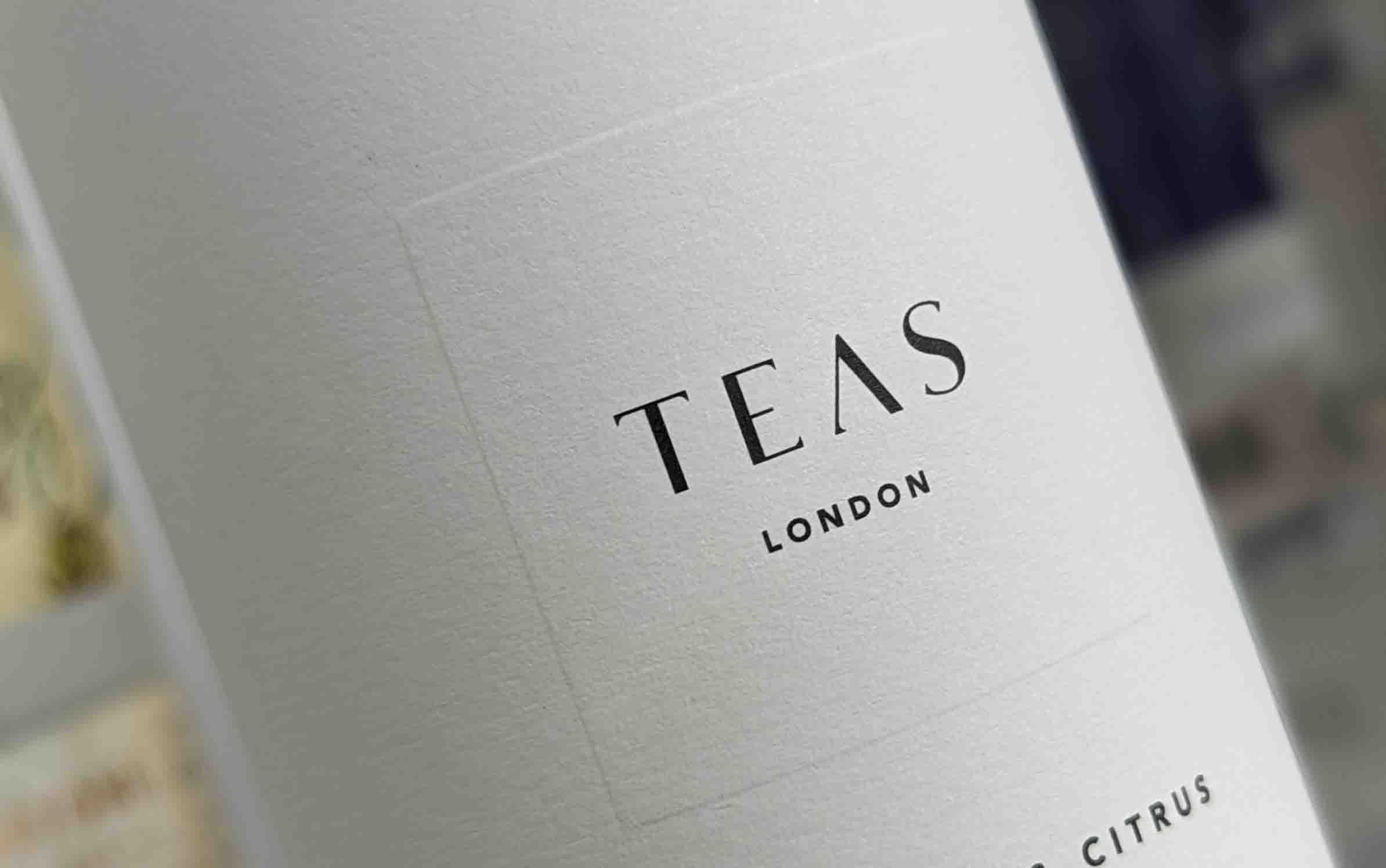
In a crowded marketplace, the physical sensation of a product often determines whether a customer makes a purchase. Visuals draw attention, but the tactile experience confirms quality. Embossed labels UK provides a distinct advantage by engaging the sense of touch, raising specific areas of the label material to create a three-dimensional effect. This technique catches the light and the consumer’s eye, instantly setting a product apart from flat, two-dimensional competitors. For British businesses, this finish offers a reliable method to communicate distinction and craftsmanship.
The Strategic Value of Texture
The primary advantage of embossing lies in the immediate perception of value. When a shopper runs their fingers over a raised surface, it signals a high level of attention to detail. This sensory interaction creates a psychological connection, suggesting that the product inside is of superior quality. Beyond the feel, embossing adds depth and shadow to the design. It makes the artwork pop without necessarily relying on bright, aggressive colors. This allows for a sophisticated, understated look that standard printing struggles to achieve, making it a favourite for premium positioning.
Where You See Embossing in the UK
You encounter this finish frequently across the United Kingdom, particularly in sectors where heritage and luxury serve as key selling points. The Scotch whisky and craft gin industries rely heavily on embossing to convey tradition and history. A raised crest or logo on a bottle suggests established authority. Similarly, high-end cosmetic brands and artisan food producers use it to justify a higher price point. It tells the buyer that the contents are special before the package is even opened. We also see it used for “Made in Britain” stamps, reinforcing local provenance with a stamp of quality.
Understanding the Techniques
Several methods exist to achieve this look, and understanding them helps in planning your design. Single-level embossing raises the design elements to one uniform height. This is the most common and cost-effective method, perfect for simple logos and text. Multi-level embossing creates a sculptural effect with different layers of height and depth, offering a more intricate and realistic texture. Combination embossing works in tandem with foil stamping. This applies a metallic finish and a raised texture simultaneously, resulting in a striking, light-catching detail often seen on luxury chocolate boxes and wine labels.
Selecting the Right Materials
Choosing the right substrate is key for a sharp, durable finish. Thicker papers hold embossed shapes better than thinner stocks, which can flatten over time or during shipping. Textured papers add sensory appeal, enhancing the effect. While synthetic materials can be embossed, natural papers often deliver crisper definition and a classic look. Ensure your adhesive holds firm, as embossing can impact how the label adheres to containers.
Design Tips for Maximum Impact
Embossing requires a different approach than standard printing. Bold, simple fonts emboss more effectively than intricate scripts, which may lose definition. High contrast between raised areas and the background enhances visibility. Leave enough space between embossed elements to prevent tearing or wrinkling. Use negative space to let the texture stand out.
Partnering with Manufacturers
An experienced manufacturing partner is essential. Local suppliers understand UK market needs and logistics. Choose a printer with a strong portfolio and request physical samples to review their die-cutting and embossing quality. A good printer will guide you on material and design limitations, advising on die depth and pressure to achieve the desired look without compromising label integrity.
Sustainability and Eco-Friendly Options
Environmental concerns are central to modern packaging, and embossing stands out as an eco-friendly option. It requires no ink or chemicals, relying solely on pressure and a metal die. Pairing embossing with recycled or sustainably sourced papers creates fully recyclable labels, meeting growing consumer demand for sustainable packaging. Brands can achieve a premium look without plastic laminates or non-recyclable foils, reducing their environmental impact.
Current Market Trends
In the UK, packaging trends emphasize minimalism. “Blind embossing”—embossing without ink or foil—is popular for creating subtle, elegant textures on white or natural backgrounds, often used in skincare and organic food branding to convey purity and confidence. Tactile warning labels, using embossing for accessibility and safety compliance, highlight its practical and aesthetic value.
Final Thoughts on Branding
Embossed labels offer a powerful tool for differentiation. They engage consumers on a sensory level that print alone cannot match. By carefully selecting materials and techniques, you can create packaging that looks exceptional and reinforces your brand’s commitment to quality. Whether you are launching a new gin or rebranding a line of organic jams, the tactile finish of embossing helps your product command attention on the shelf.